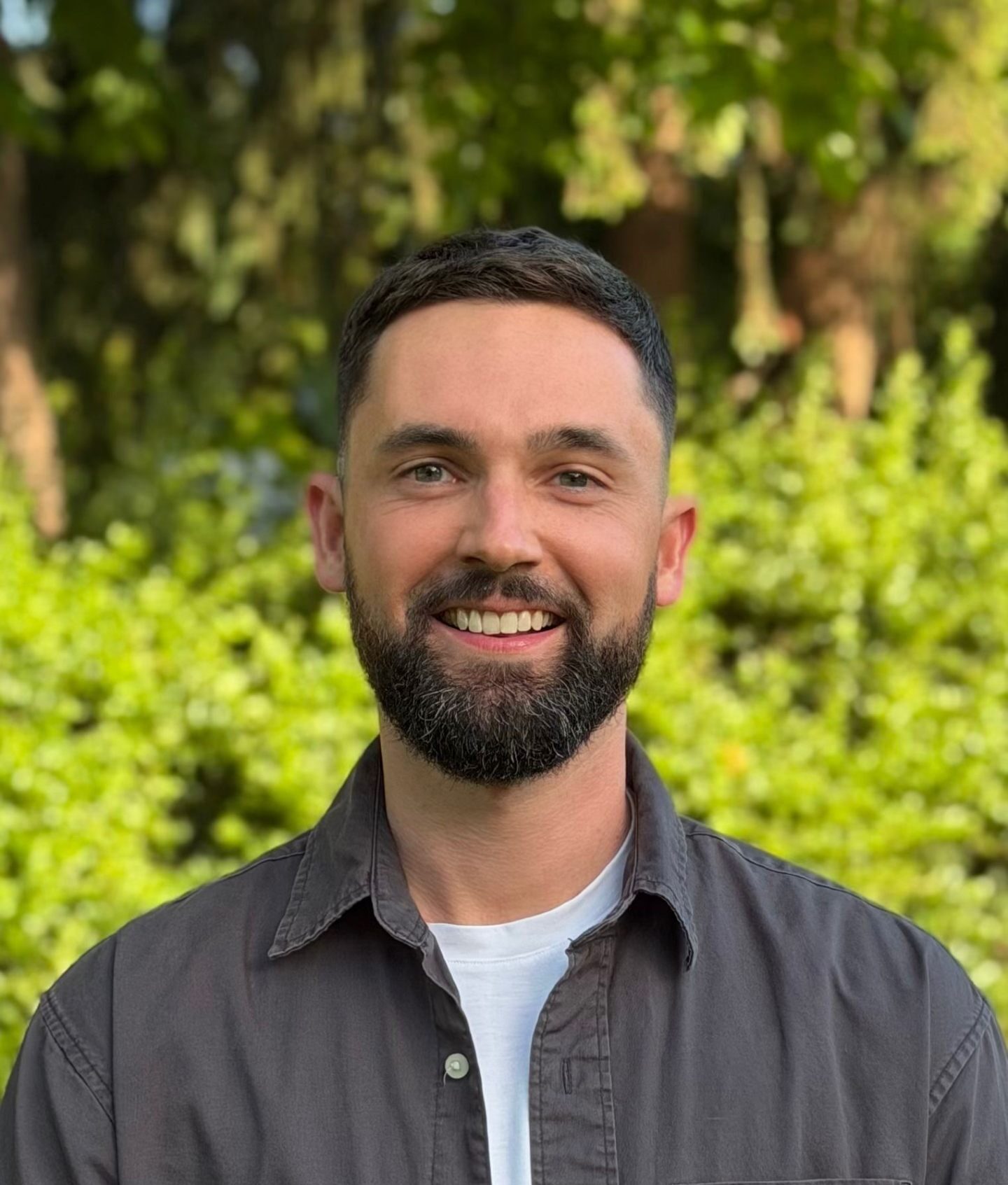
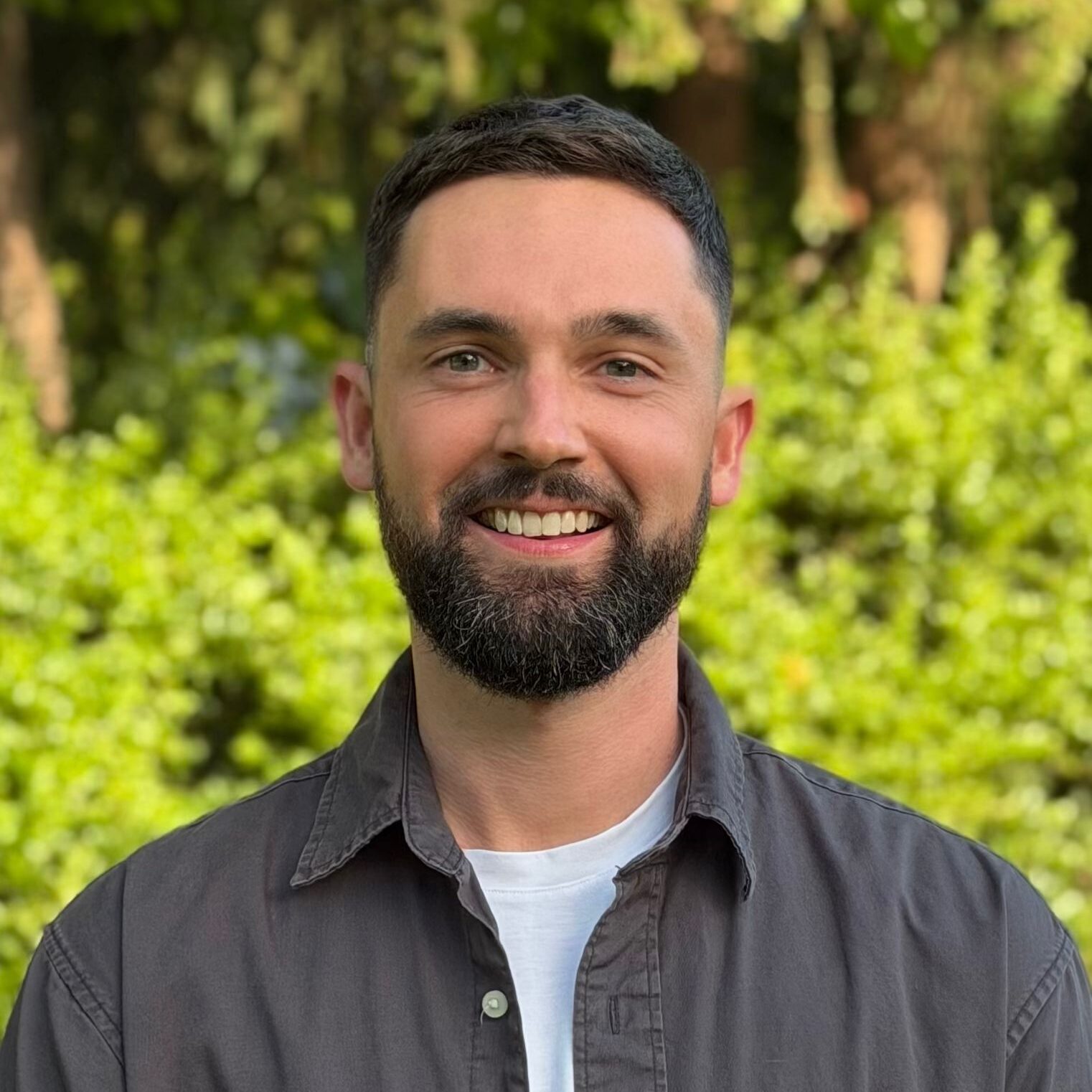
Cory Zeller, DNP, PMHNP-BC, brings nearly a decade of experience in emergency medicine and psychiatry to UpWell Psychiatry. Before joining the team, he also led a clinic providing Spravato® and Transcranial Magnetic Stimulation (TMS) for people with complex, treatment-resistant mental health conditions.
Those experiences shaped the psychiatric nurse practitioner he is today: calm under pressure, curious about the whole picture, and willing to keep looking when the first treatment plan doesn’t work.
At UpWell, Cory provides thoughtful psychiatric medication management for people navigating depression, anxiety disorders, ADHD, mood disorders, challenging medication histories, and other mental health concerns across Oregon and Washington.
Connect with Cory for collaborative, personalized psychiatric care that looks beyond the symptom list.
How Did Emergency Medicine Shape Cory’s Approach to Psychiatry?
Emergency medicine taught Cory how to stay present when someone is going through one of the hardest moments of their life, but it also taught him not to make assumptions.
People experience stress, fear, pain, and uncertainty differently, even when their circumstances look similar from the outside. Cory carries that perspective into mental health care by listening carefully and taking time to understand what is actually happening for each patient.
His ER experience also made the connection between physical and mental health impossible to ignore. Sleep, pain, chronic illness, medication side effects, relationships, and stress can all influence how someone feels and functions.
That’s why Cory’s psychiatric assessment looks beyond a diagnosis alone.
What Did Cory Learn From Leading a Spravato® and TMS Clinic?
One of the biggest lessons was that a few unsuccessful treatments don’t mean someone is out of options.
Many patients Cory worked with had been living with severe depression or other psychiatric symptoms for years. They had often tried several medications without finding meaningful relief. Working with advanced treatments like Spravato® and TMS reinforced the importance of individualized care. The treatment itself matters, but so does understanding the patient’s history, goals, support system, and day-to-day life.
For Cory, some of the most meaningful changes were seeing patients reconnect with family, return to work, regain motivation, or simply begin to feel hopeful again. That experience continues to shape his approach to psychiatric treatment today: stay curious, pay attention to what is and isn’t working, and keep looking for the next reasonable step.
What Does Whole-Person Mental Health Care Mean to Cory?
For Cory, it means getting to know the person behind the symptoms.
He wants to understand what is happening in your life, how you’re sleeping, what your physical health looks like, what medications you take, where stress is showing up, and what kind of support you have around you.
He also wants to know what matters to you.
Two people can have the same diagnosis and need completely different treatment plans. Cory takes an individualized and holistic approach, combining clinical evidence with the realities of each patient’s life. Care may include medication management, supportive therapy, lifestyle changes, or collaboration with other healthcare providers. The goal is a treatment plan that makes sense for the person who actually has to live with it.
What Does Cory Hope Patients Feel After Their First Appointment?
He hopes they feel heard, comfortable, and a little more hopeful.
Cory wants patients to feel like they could show up as themselves rather than presenting a perfectly organized version of what they’re going through.
He’s interested in the difficult parts, of course, but also in strengths, interests, hobbies, relationships, and the things that still bring someone joy, because that’s part of comprehensive mental health care too.
Cory sees the provider-patient relationship as a partnership. He brings clinical expertise; the patient brings the experience of living in their own mind and body every day.
Even if everything isn’t figured out after one appointment, and usually it isn’t, he wants patients to leave knowing there’s a plan and someone in their corner.
Meet With Cory at UpWell Psychiatry
Cory brings experience in emergency medicine, complex psychiatric care, advanced depression treatments, and ongoing psychiatric medication management to his work at UpWell.
What connects all of it is his willingness to listen closely and treat people as individuals.
For patients who have felt discouraged by past treatment, overwhelmed by their symptoms, or unsure what to try next, that can be a good place to start.
Meet with Cory for thoughtful, trauma-informed psychiatric care across Oregon and Washington.